Building the Future of Construction with AI and Connected Workflows

Summarize this post:

Instantly extract the key takeaways from this article using AI.
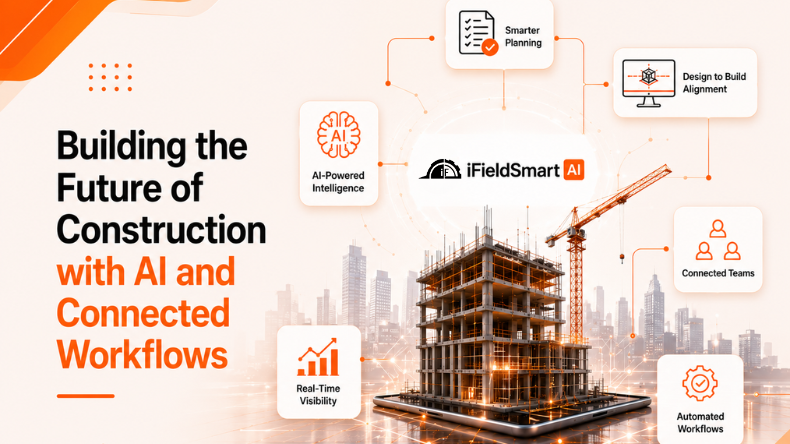
The construction industry produces and processes large volumes of data in digital forms such as drawings, specifications, task schedules, submittals, photos, and field reports. Complex projects are using uniquely identifiable, connected construction software and artificial intelligence to enhance data organization, visibility, and project management, and to reduce the administrative burden for the construction team. Construction AI software helps project managers automatically log project data, develop report Tasks, and recognize problems before they impact the project. When aligned with firm-specific workflows, these technologies help address the communication and data management challenges that plague most construction projects.
Leading firms foresee that the next phase of construction technology will be more interconnected. Construction professionals expect to use AI platforms that connect field and office workers because saving documents in unconnected folders is no longer sufficient. Teams must find and use information instantly because this comprehensive shift completely changes how building projects operate over their lifecycles. Heavy documentation always slows down project speed, and disconnected systems make collaboration difficult when modern builders need connected workflows and systems that talk to each other without interruption.
Construction projects naturally involve many different phases, and the work regularly moves from initial design to detailed preconstruction before heading into building information modelling coordination. Finally, the project reaches field operations and facility management, but valuable data unfortunately gets lost during these critical handoffs.
Manual workflows cause serious delays on major job sites, and a typical project team spends hours searching through paper drawings just to verify simple dimensions. They check text documents for minor changes and answer endless emails to confirm basic details, which takes precious time away from actual building activities.
Data grows incredibly fast as buildings get larger, and large projects naturally require deep coordination across multiple trades. When systems remain separate, expensive errors often occur because workers in the field cannot see updates from the office, and office managers lose track of daily field progress. Building a connected infrastructure completely solves this visibility problem for everyone involved.
Connected workflows bring project information into a shared environment, giving construction teams better visibility into project progress. General contractors can manage complex schedules more efficiently, and subcontractors receive clear tasks and design updates. Building information modeling teams coordinate directly with field workers to ensure accuracy.
Real-time visibility changes everything on the ground, and modern reality capture tools take detailed photos of the job site throughout the day. Artificial intelligence analyzes these images thoroughly and compares the photos to the original designs to spot discrepancies. The systems can identify potential issues between field conditions and project information, allowing teams to investigate issues before they lead to significant rework or delays.
Information already exists on every single job site, so the real challenge involves building operational intelligence. Teams must organize information so people can use it productively, and intelligent systems turn messy data into clear answers that drive progress.
AI-powered Smart construction platforms help transform unstructured project data into searchable and workable data. With documents, project processing tools can read and analyze drawings, specifications, reports, and other documents. Computer vision can help teams on the project compare actual field conditions with the project conditions that should exist.
Centralized dashboards provide project managers with real-time oversight of progress, equipment, documentation, and potential dangers. Where project dashboards are combined with project schedules and other systems, project teams can make decisions based on the most recent data.
Software applications handle heavy administrative workloads easily, allowing workers to automate complex submittal logs in a matter of minutes. The system flags compliance issues before material purchasing begins, which prevents the ordering of incorrect parts for complex building systems.
| Old Construction Workflows | New Connected Workflows |
|---|---|
| Manual revision tracking | Automated update systems |
| Disconnected data silos | Integrated team networks |
| Slow email coordination | Real-time information access |
| Missing field visibility | Live reality capture data |
| Heavy paper documentation | Conversational data retrieval |
Change management requires clear communication paths across organizations, and the application automatically reads email updates from subcontractors. It extracts critical price quotes instantly and updates the master budget dashboard without manual entry errors.
Integrating intelligence requires linking distinct software platforms, and the technology dynamically connects building models with office spreadsheets. Access to digital 3D project models from mobile devices eliminates the need for field crews to carry paper blueprints to a worksite.
Conversational interfaces assisted information gathering during hectic workdays, and construction foremen used voice tools to ask about dimensions of building elements.
The software finds the exact drawing detail immediately, which eliminates the need to scroll through giant files on a small screen.
Operational intelligence connects field reality to design specifications, and the technology tracks physical components as workers install them. Discrepancies generate automatic alerts for the engineering team, which prevents minor errors from stopping construction progress.
Construction companies must now overcome more challenges than just the complexities of managing a project. Today’s projects have higher demands, labor and cost restrictions, all while contractors and developers are expected to get the work done faster. These demands have caused an interest in automation and collaboration technologies.
However, companies shouldn’t waste money and effort adding more dispersed software. In contrast, more value can be gained by implementing systems that improve access to project data and automate more tedious tasks.
Value is also subject to a system’s ability to integrate into an existing workflow. But the key to the success of a technological system in any work environment is the combination of change management, data quality, training, and the level of interaction among the system’s users. These factors can ultimately determine the level of value attributable to any work-related technology.
Consider a large hospital project in a busy city where the engineering team unexpectedly changes a plumbing route. In the past, this change required printing new drawings and mailing them to the jobsite, which caused the installers to spend days waiting for paperwork or installing the old pipes by mistake.
With artificial intelligence, the process changes completely because the engineer updates the model, and the connected system scans the new drawing immediately. It alerts the field crew right away so the installers see the new route on their tablets, helping them avoid fixing expensive mistakes later.
Consider another scenario involving project submittals where a manager reviews thousands of material pages manually. A manual check takes three weeks, but an intelligent platform reads the documents in minutes and highlights errors instantly so the project stays on schedule.
Generic business software fails on construction sites because construction data has unique needs that require trade coordination. It requires precise drawing details and handles complex field conditions that change daily.
New tools like iFieldSmart AI focus specifically on these building realities and seamlessly connect building information modelling with actual field operations. This tool helps teams manage project details across drawings and specifications, allowing the system to interpret data within the active workflow.
Using AI assistants with automated decision support helps builders find information faster. The platform operates as an educational training ground where industry professionals study feedback to improve operational workflows, and the tool aims to connect intelligence across all project phases. Platforms like iFieldSmart AI will integrate with existing systems, including software like Procore and Autodesk Construction Cloud.
Global construction demand is rising fast, and industry reports show that manual tracking wastes up to thirty percent of project time. Data management errors account for many budget overruns, but adopting automated systems reduces these losses significantly.
Studies show that connected workflows improve field productivity by fifteen percent, and teams using automated data retrieval save hours every week. Real-time tracking drops rework expenses by twenty percent, and these figures prove that intelligent tools are necessary.
How do connected workflows positively affect field workers?
Using connected workflows means field teams can access the project’s current information without using multiple workflows or relying on other teams to navigate various, potentially disconnected, communication channels.
Can different construction software systems communicate?
With the use of modular systems and platforms, construction software systems can transmit data to and from project management systems, as well as BIM and document management systems.
Why is manual data review an issue?
It is especially troublesome for construction teams that DPR processes generate a substantial amount of data. In addition to the time required, manual data review processes may help users focus on less important aspects of the data.
Which of the construction project phases can use AI?
AI technology can aid construction teams during design, the preconstruction phase, document management, scheduling, procurement, field management, quality management, reporting, and project closure.
How does AI relate to reality capture?
Reality capture technology, such as 360-degree cameras, can record data on construction site conditions. AI and computer vision technologies can interpret field data and compare captured images with construction project models and planned project data.
What differentiates construction data?
Construction data includes drawings, models, project specifications and schedules, RFIs, submittals, field reports, photographs, etc. This data is generated by multiple stakeholders during a construction project.
The future of construction lies with companies that can best integrate project data. Information silos, manual tasks, and disconnected communication pathways always cause teams to search for data when they need it most.
Workflow tools that are integrated, intelligent, and automated can collate project data and better connect construction teams, regardless of the project phase or whether the team is on-site or in the office. Reality capture, document management, and digital design tools are just a few examples of technologies available to help users make more informed project decisions.
Well-connected systems like iFieldSmart AI’s Investors & Partners, built on artificial intelligence, can improve data flow to construction teams, visualise project data, and mark the beginning of digital construction.
Explore more insights on similar topics
 CONSTRUCTION WORKFLOW AUTOMATION
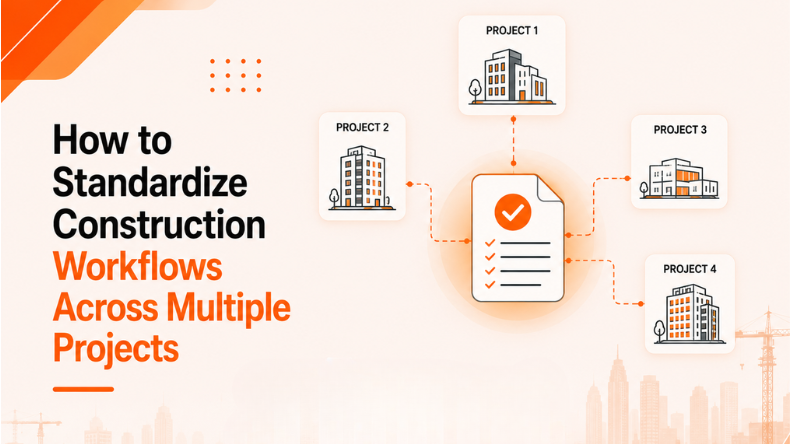
Managing multiple building sites is a very hard task for construction teams. It becomes challenging...
 CONSTRUCTION WORKFLOW AUTOMATION
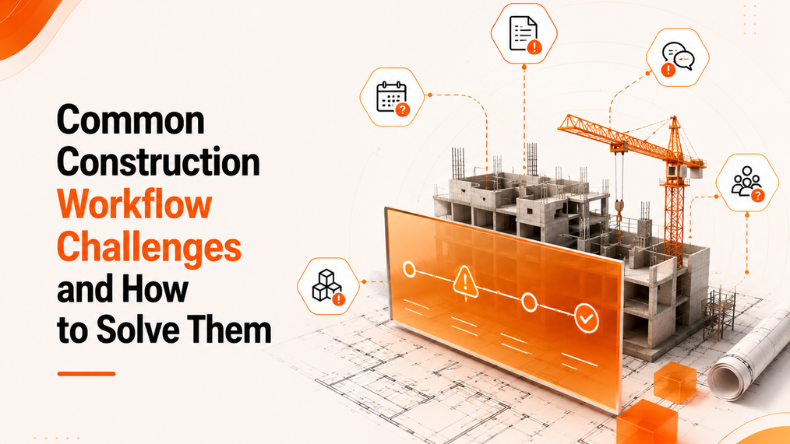
A construction project generates a huge volume of drawings, specifications, RFIs, submittals, BIM models, and...
 CONSTRUCTION WORKFLOW AUTOMATION
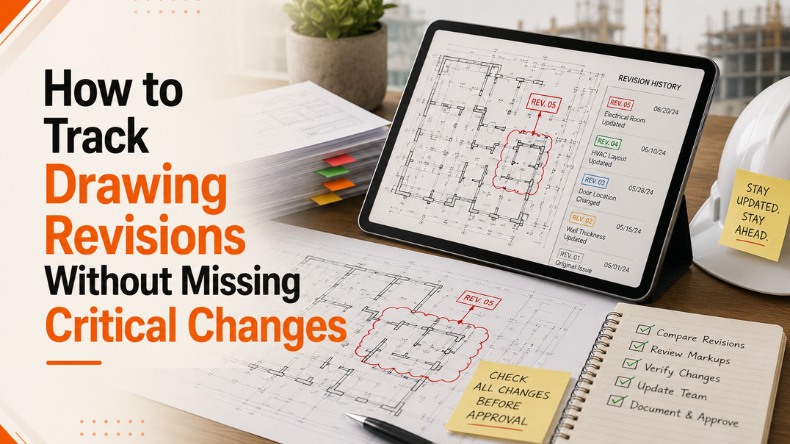
Managing design updates is one of the operational challenges on modern jobsites, and overlooking a...