AI-Powered Constructability Review

Problems in the drawings become problems in the field.

Identify constructability issues early — before they turn into RFIs, delays, or rework.

01

Upload

Drop your construction drawings and trade packages

02

Review

AI runs automated constructability checks

03

Report

Get detailed findings with clear locations and risks

Constructability Review

New Constructability Review

MEP_Floor_Plan.pdf
14 sheets • 5.4 MB
Struct_Framing.dwg
10 sheets • 9.1 MB
Plumbing_Layout.pdf
8 sheets • 3.8 MB
Constructability Review

New Constructability Review

|
MEP_Coordination 18 checks
  • Duct clearance at beams
    MEP Clash
  • Pipe routing above slab
    MEP Clash
Structural_Review 12 checks
  • Beam depth vs duct space
    Struct Risk
  • Slab opening sizes
    Struct Risk
Plumbing_Check 9 checks
  • Drain slopes meet code
    Plumbing
  • Fixture unit counts
    Plumbing
Constructability Review 4 hours
0
TOTAL
0
CRITICAL
0
HIGH
0
MEDIUM
0
LOW
F-01 HIGH MEP
Duct route at Grid B-4 conflicts with W12×26 beam at El. +14'-0". Insufficient clearance for installation.
F-02 MEDIUM Plumbing
Floor drain at Rm 112 lacks required access panel per spec section 15400.
F-03 MEDIUM Structural
Slab opening at Stair-2 not shown on structural drawings — coordination gap with mechanical team.
F-04 HIGH MEP
Mechanical unit at Roof-3 has only 28" service clearance — code minimum is 36" for maintenance access.
HIGH MEP 92% confidence
MEP Coordination
dwg_MEP-201_lvl4
Supply duct at Grid B-4 (El. +13'-6") conflicts with W12×26 beam bottom at El. +13'-8". Only 2" clearance — installation not feasible without rerouting.
  • Duct cannot be installed as drawn without cutting or modifying the structural beam.
  • Likely to generate an RFI and cause schedule delay if not resolved in preconstruction.
"Duct centerline at El. +13'-6" — beam bottom flange at El. +13'-8" per S-301. Net clearance: 2 inches.— beam bottom flange at El. +13'-8" per S-301. Net clearance: 2 inches."
dwg_MEP-201_lvl4
REALITY

Every project goes through constructability review.

Manual reviews. Internal checklists. Trade coordination.
And yet — some issues still reach the field.

Drawing Sheet — A-204 / MEP-Level 4 Manual Review
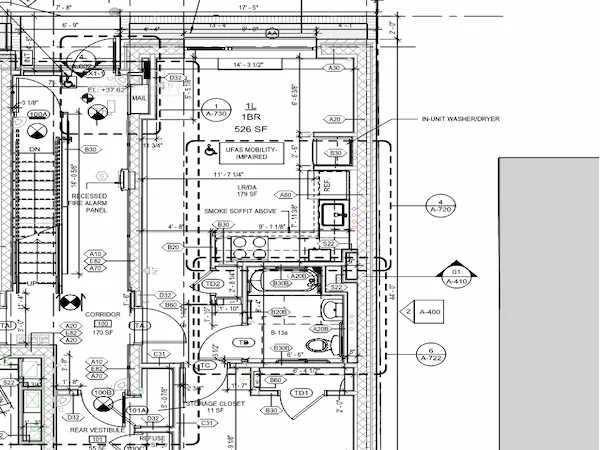
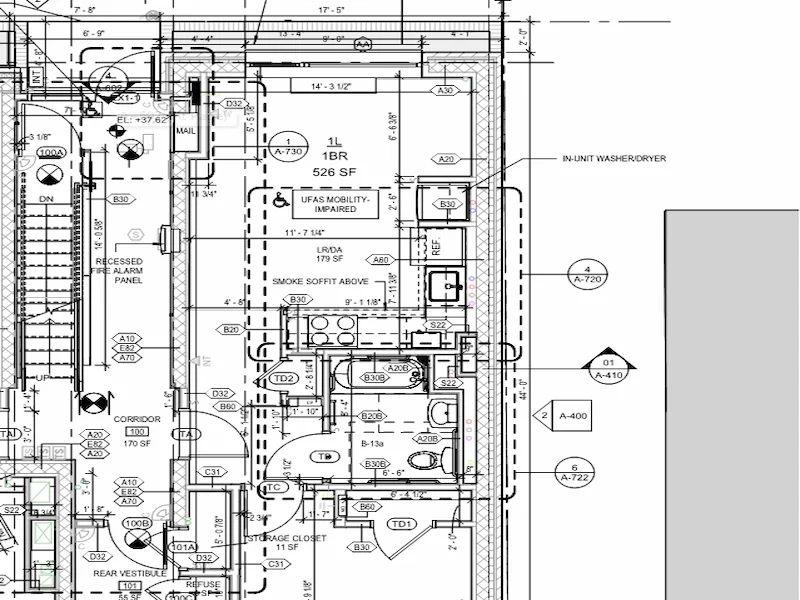
Architectural Blueprint
?
!
Missing Detail
JM
Scanning…
SR
Marking
2 reviewers active · 3 sheets remaining · conflicts found: 2
Checklist Runner — Trade Compliance In Progress
Mechanical Plumbing Electrical Architectural
Access clearance verified Min 36" clearance confirmed on mechanical level
Pass
Internal checklist running… Comparing against project standards
Running
Trade logic validated MEP coordination cross-checked
Pass
Detail reference needs review Section M-3 callout missing on sheet MEP-201
Review
Duct elevation conflict Duct at +13'-6" conflicts with beam at +13'-8"
Fail
Risk Detection — Execution Review Issues Found
Section View — Grid C4
Beam @ +13'-8"
Duct @ +13'-6"
CONFLICT2" clearance only
Finished Ceiling
HIGH MEP-201 · L07 / C4
Duct–beam elevation conflict

Duct cannot be installed as drawn. Will require rerouting or structural modification.

RFI RiskReworkSchedule Impact
MED A-204 · Roof / A2
Missing access panel detail

Equipment access space undocumented. Maintenance access path unclear.

Delay RiskDetail Gap
Field Report — Active Construction Issues in Field
Project Timeline
Design
Review
Construction⚑ RFI
Issues discovered in field:
📋
RFI #47 — Duct conflict at Level 7

Crew stopped. Awaiting engineer direction. 3-day delay projected.

Day 143
🔧
Rework order — Access panel missing

No access panel shown in drawings. Trade installing blind.

Day 149
⚠️
Coordination conflict — Electrical vs Mechanical

Trades not coordinated in congested ceiling zone.

Day 156
These issues would have been found during constructability review — before construction started.
01

Teams review drawings manually.

People scan contract drawings, mark visual issues, compare sheets, and identify missing information or coordination problems.

  • Multiple reviewers working across sheets
  • Visual scanning for gaps and callout errors
  • No standardized review logic applied
02

Internal checklists are cross-checked.

Requirements, standards, access rules, and trade-specific checks must be applied consistently across drawing sets.

  • Checklists vary by team and project
  • Cross-trade coordination is manual
  • Hard to apply consistently at scale
03

Conflicts and risks are identified.

The workflow looks for missing details, constructability conflicts, clearance issues, and execution risks before crews reach the field.

  • MEP elevation conflicts caught late
  • Missing details create downstream RFIs
  • Some issues only visible during install
04

Some issues still reach the field.

Even after thorough review — some problems are only found during construction, causing RFIs, rework, delays, and coordination failures.

  • RFIs disrupt active crews
  • Rework is expensive and time-consuming
  • Field conflicts damage schedules and trust
WHY IT BREAKS

Constructability review depends heavily on time and experience.

Drawings are reviewed manually. Checklists vary from team to team. Different trades are reviewed separately.

What happens in reality
  • Ceiling space conflicts get missed
  • Access clearances arent identified early
  • Missing details create RFIs later
  • Coordination issues appear during installation

By the time theyre discovered, the project is already moving.

Limited Time Review windows shrink
Manual Drawing Review Details rely on human scan
Different Checklists Standards vary by team
Mechanical
Plumbing
Electrical
Architectural
Ceiling conflict
Access clearance
Missing detail
Install conflict
FIELD IMPACT RFI · Delay · Rework
iFieldSmart AI
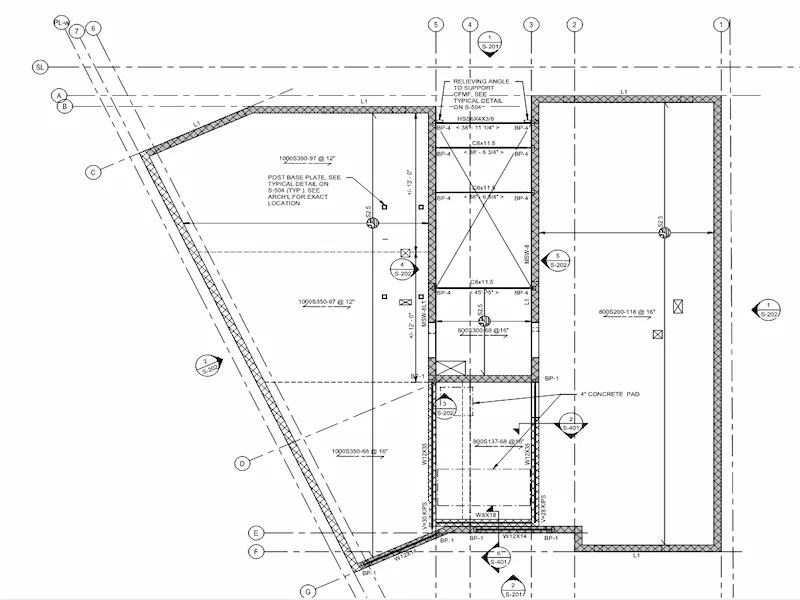
Structural Drawing
M P C
AI Constructability Skill Structured review on contract drawings
Generate Mechanical Constructability Review
Run Plumbing Constructability Checks
Review ceiling coordination issues
INTRODUCING THE SKILL

Now review your drawings with AI-assisted constructability checks.

With iFieldSmart AI, teams can run structured constructability reviews directly on contract drawings.

Simply upload your drawings and ask:
“Generate Mechanical Constructability Review”
“Run Plumbing Constructability Checks”
“Review ceiling coordination issues”
WHAT HAPPENS

Your drawings are reviewed against structured constructability checklists.

The system
01

Extracts drawing notes and details

Reads sheets, callouts, schedules, labels, notes, and referenced details.

02

Applies trade-specific review logic

Runs mechanical, plumbing, architectural, structural, and coordination checks.

03

Evaluates constructability conditions

Checks whether the design can be installed, accessed, coordinated, and maintained.

04

Identifies potential execution risks

Highlights issues that may become RFIs, delays, rework, or field conflicts.

Example Findings AI Review
Blueprint Findings
C4 M2 P1
Insufficient ceiling clearance for duct routingHigh risk
Missing access space for equipment maintenanceMedium risk
Conflicting elevations across tradesHigh risk
Missing installation detailsMedium risk
Coordination risks in congested areasReview
OUTPUT

Get a report your team can actually review.

The Constructability Review Report gives your team structured findings with clear locations, risk descriptions, and potential impact on execution.

01

Identified issues

Every constructability concern is listed clearly for review.

02

Grid / level references

Findings include the exact drawing location your team needs.

03

Description of risk

Each issue explains the risk and potential impact on execution.

Structured findings Clear locations Actionable review

Instead of manually documenting issues during review meetings — your team gets a structured findings report instantly.

Constructability Review Report

Level 07 Coordination Package

14Identified issues
09Grid / level refs
05High impact
100%Review ready
Structured findings Auto-generated from contract drawings
IssueRef.RiskImpact
Ceiling clearance conflictL07 / C4HighRFI
Missing equipment accessRoof / A2MedDelay
Conflicting duct elevationL05 / B2HighRework
Missing installation detailA-412MedReview
WORKFLOW SHIFT

From manual checklist reviews
to structured AI-assisted review

Less effort. More clarity. Better decisions.

BEFORE
Review drawings → apply checklists → identify issues → document findings

1. Review drawings

Teams manually review contract drawings and trade packages

2. Apply checklists

Use internal constructability checklists that vary by team

3. Identify issues

Look for missing details, trade conflicts, and execution risks

4. Document findings

Manually capture comments, locations, and follow-up actions

VS
NOW
Upload → run review → analyze report

1. Upload

Upload contract drawings and relevant trade packages

2. Run review

AI applies structured constructability checks to the drawings

3. Analyze report

Review clear findings with issue locations, risk, and impact

WHY IT MATTERS

Most field issues don’t start in the field.
They start in the drawings.

A small constructability gap on a sheet can become an RFI, a delay, or a field rework decision. This skill helps teams catch those risks before construction starts.

A-204 / M-207Ceiling coordination review
Contract drawings
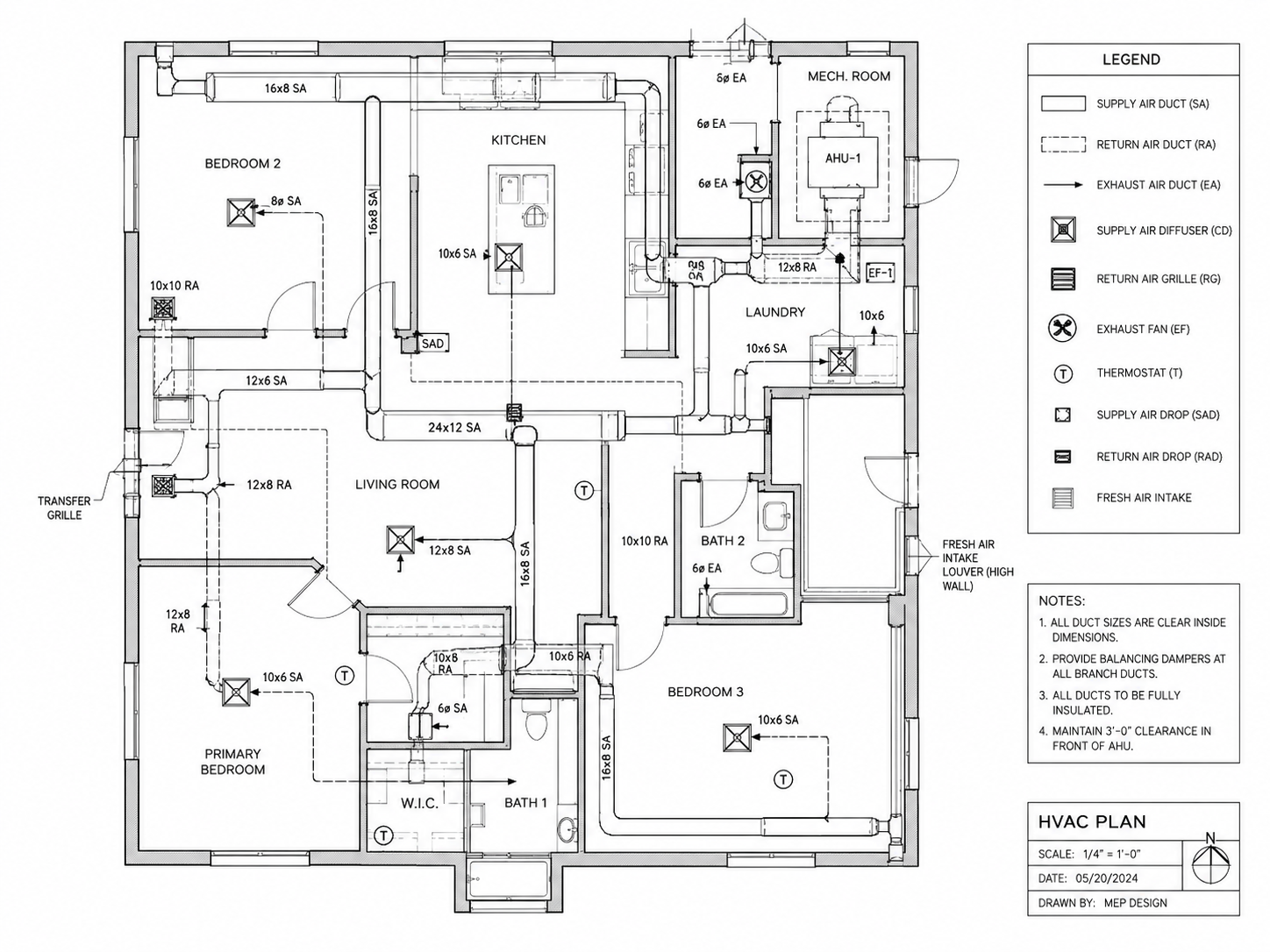
Architectural Plan
RFI Delay Rework
Unchecked drawing gap Moves downstream into the field
Constructability gaps can lead to Downstream project risk
01RFIs
02Delays
03Rework
04Coordination issues
05Installation conflicts
01

Identify issues earlier

Flag constructability concerns while drawings are still reviewable, not after crews are waiting.

02

Standardize reviews

Apply consistent constructability logic across trades, packages, and project teams.

03

Improve coordination

Give VDC, BIM, and preconstruction teams clearer issues to discuss and resolve.

04

Reduce project risk

Turn hidden drawing gaps into structured findings before they become field cost.

Earlier review creates better decisions. Find it in the drawings before it becomes a field problem.
BUILT FOR PRECONSTRUCTION TEAMS

Made for the teams who need to find issues before construction starts.

Constructability review supports the people responsible for turning drawings into buildable work, with clearer risks, structured findings, and faster coordination decisions.

Especially valuable for Project teams
GC

General Contractors

Review risk across scopes before it reaches the site.

PC

Preconstruction teams

Validate drawings during planning, budgeting, and bid review.

BIM

VDC / BIM teams

Spot coordination issues before model and field conflicts grow.

CO

Coordination teams

Create clearer issues for trade partner review and resolution.

Preconstruction Review Hub Live
Design ReviewA-204
Bid LevelingScope Risk
Coordination PlanMEP
AI Constructability Checks
Ceiling clearance verified
Access space needs review
Trade coordination mapped
Findings report ready
Used during The moments where early clarity matters most.
Design review
Bid leveling
Coordination planning
Preconstruction analysis
READY TO START

The earlier issues are identified, the less expensive they become.

Review your drawings before construction starts.

Early access is limited. Join now to be first in line.